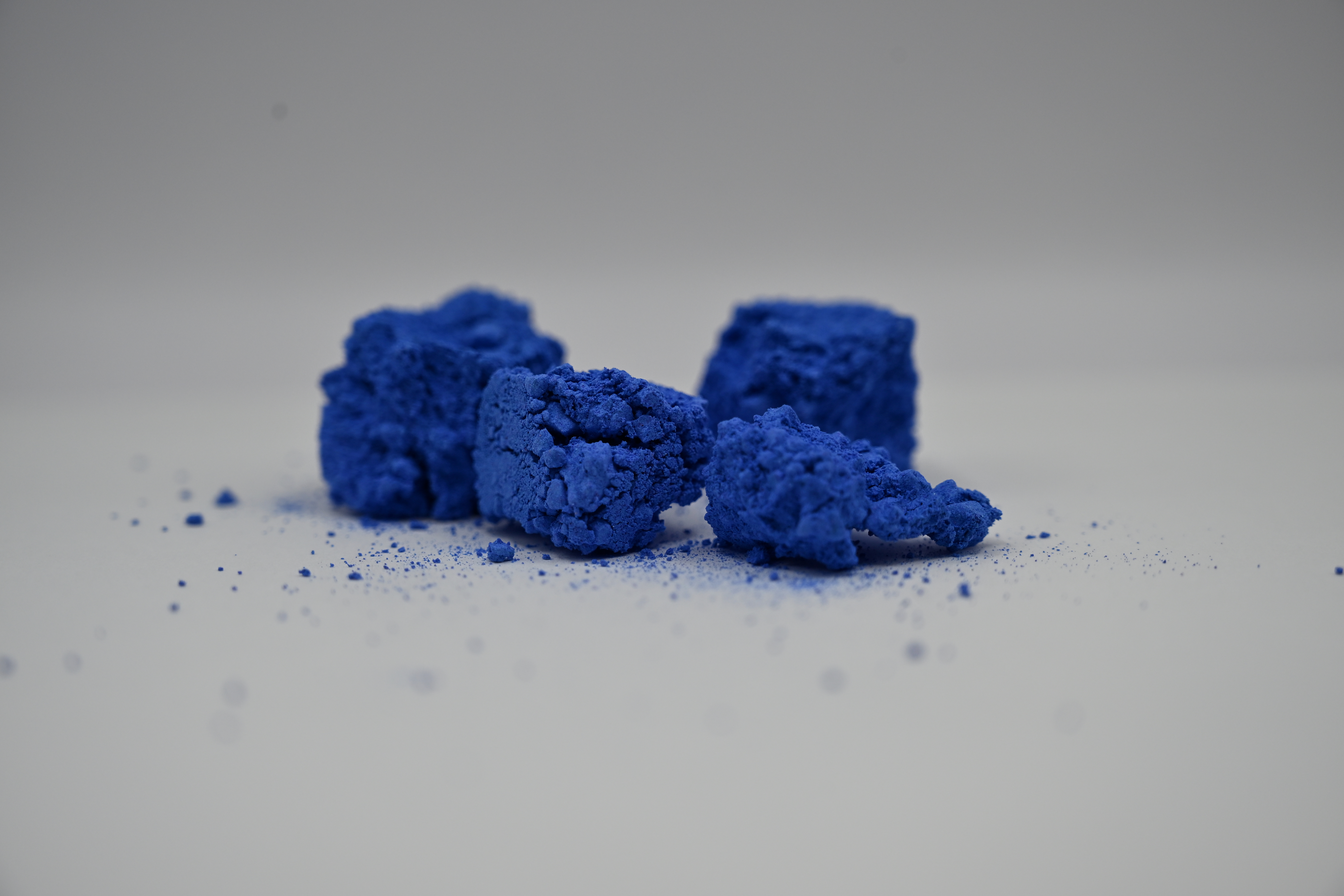
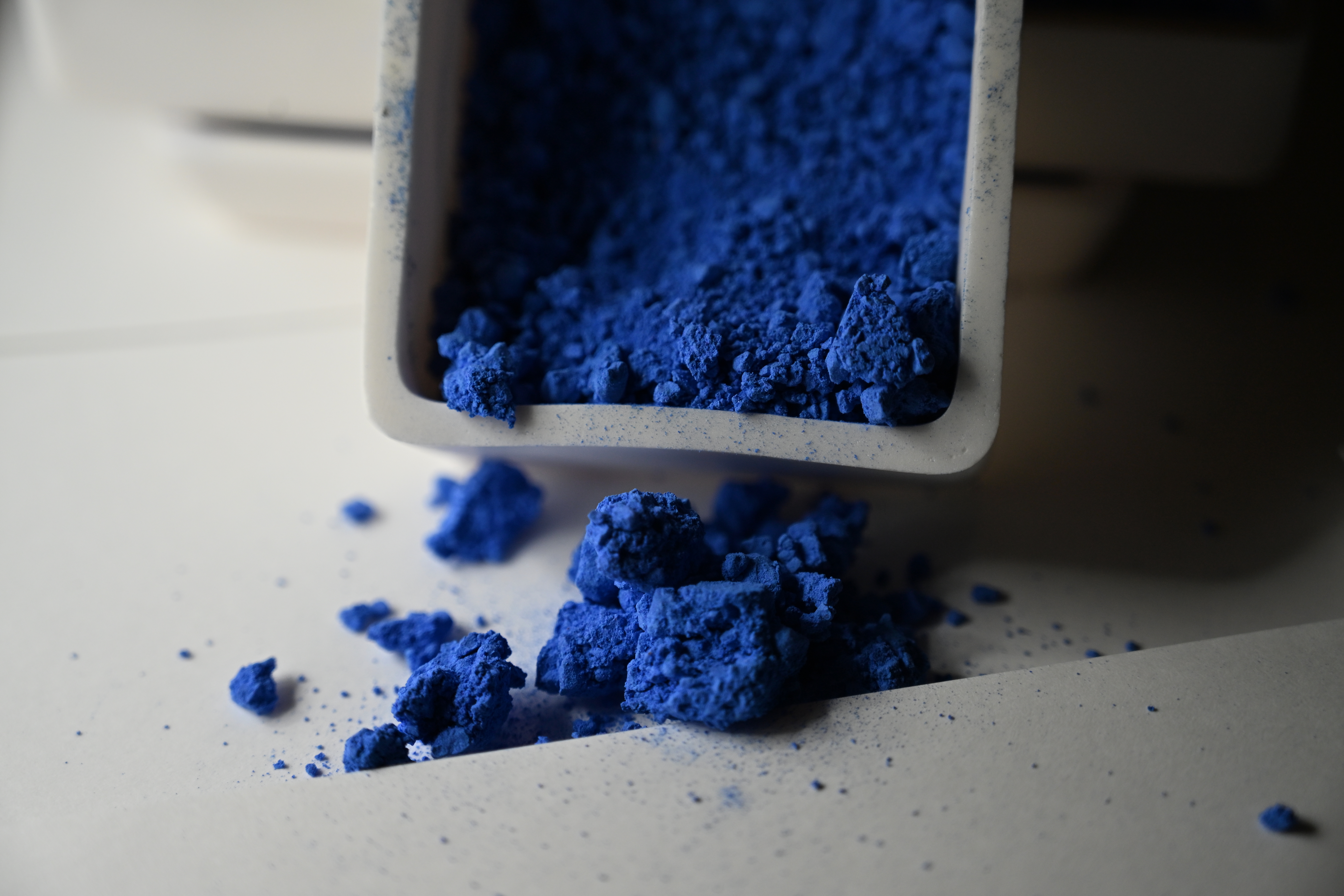
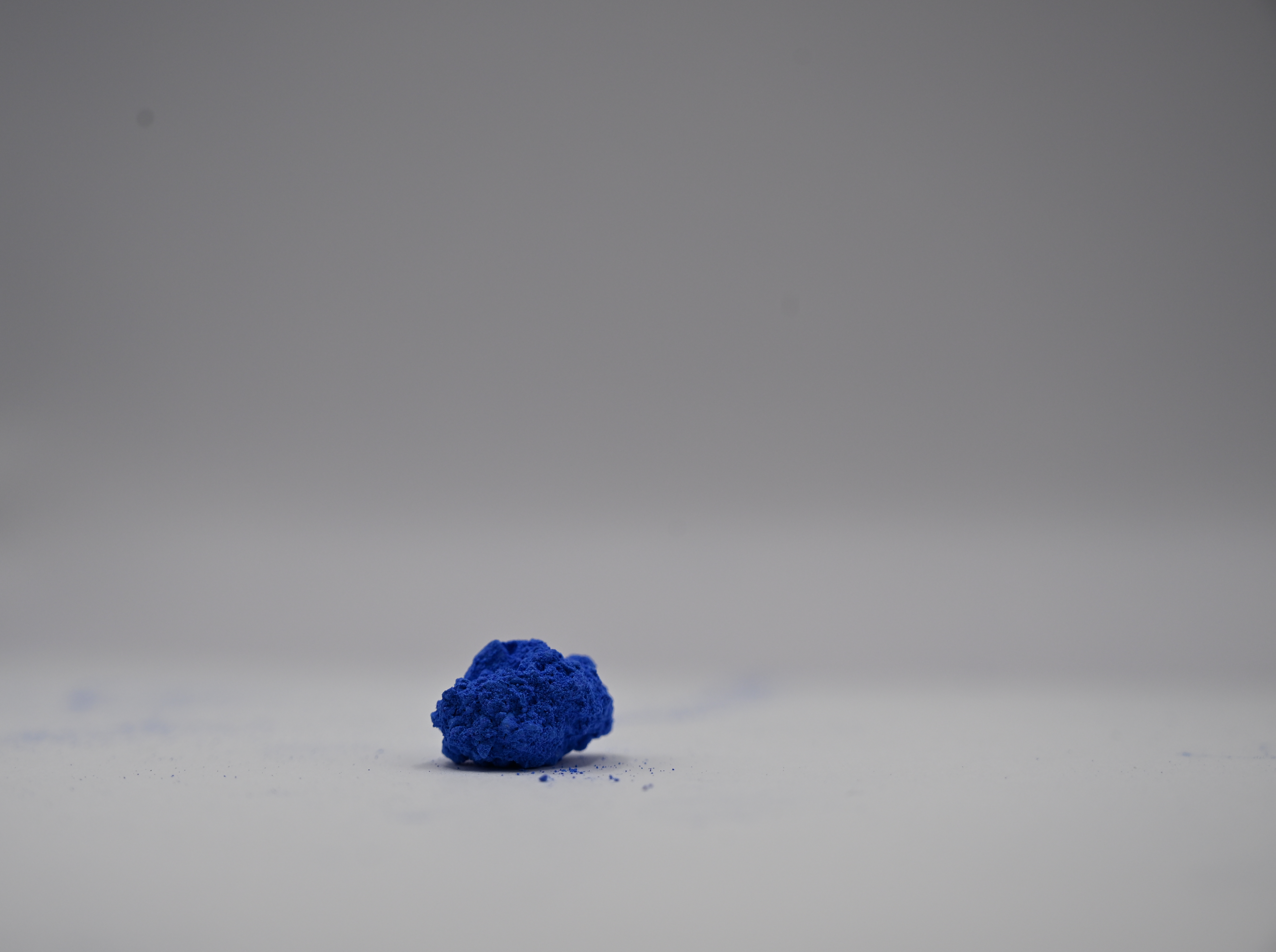
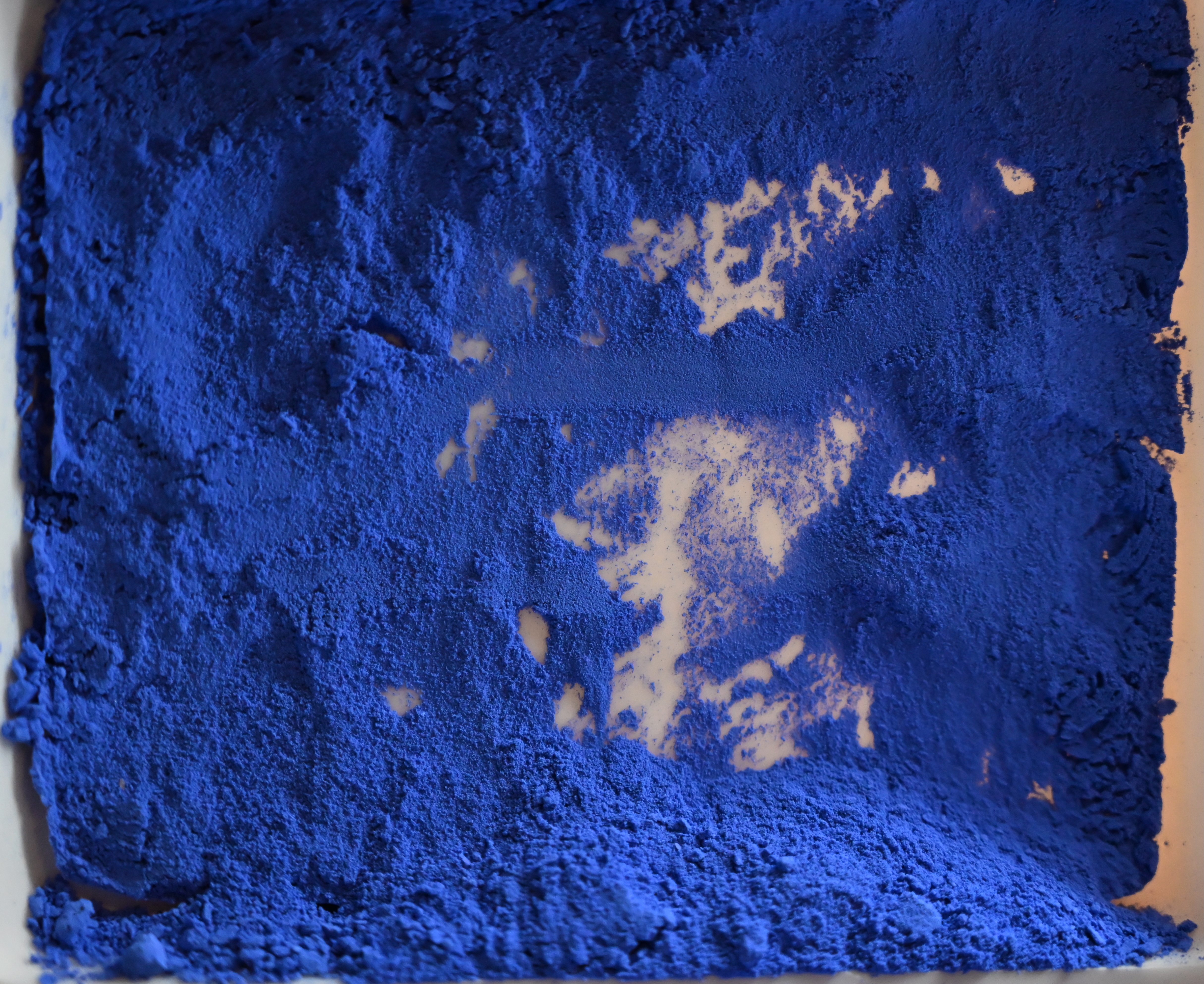
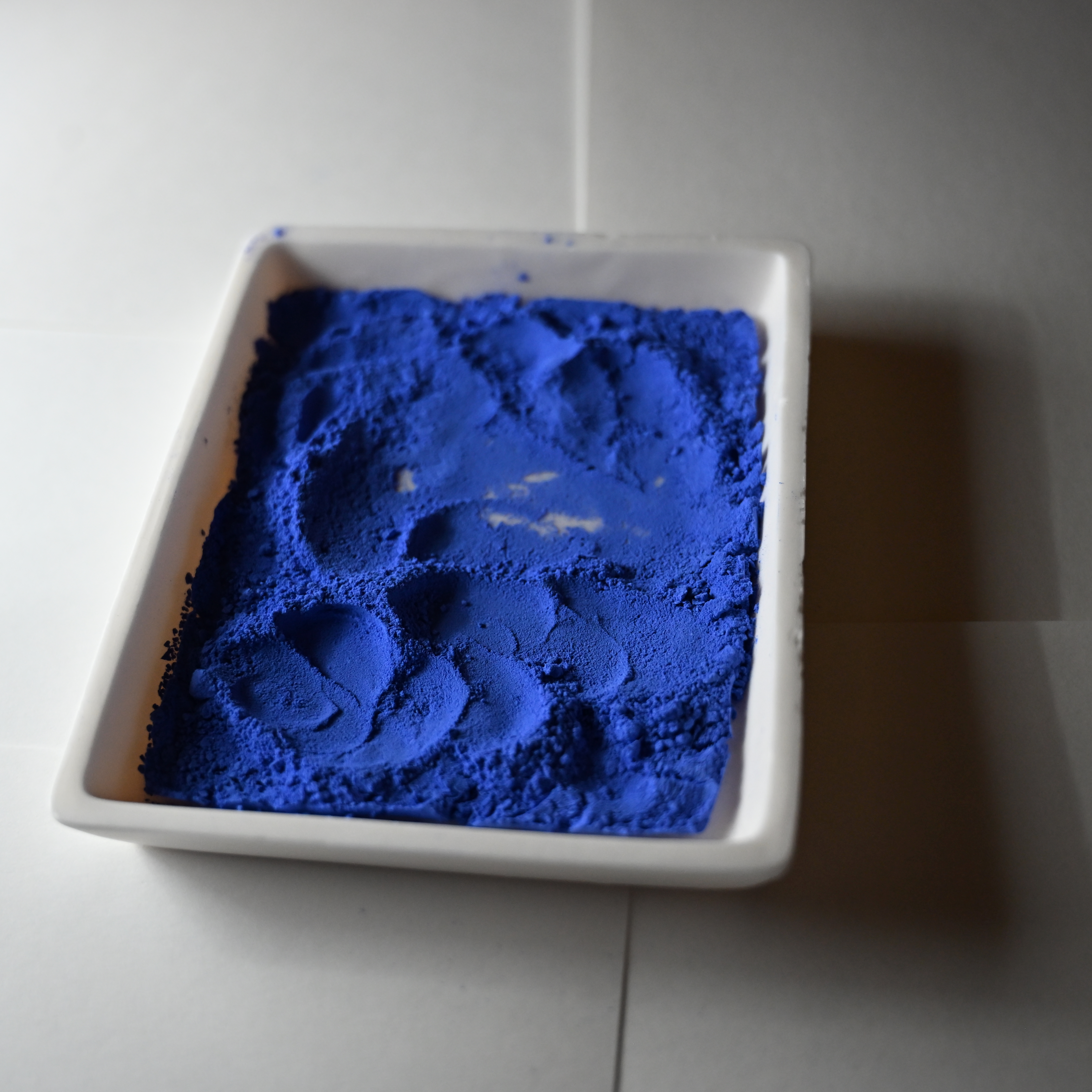
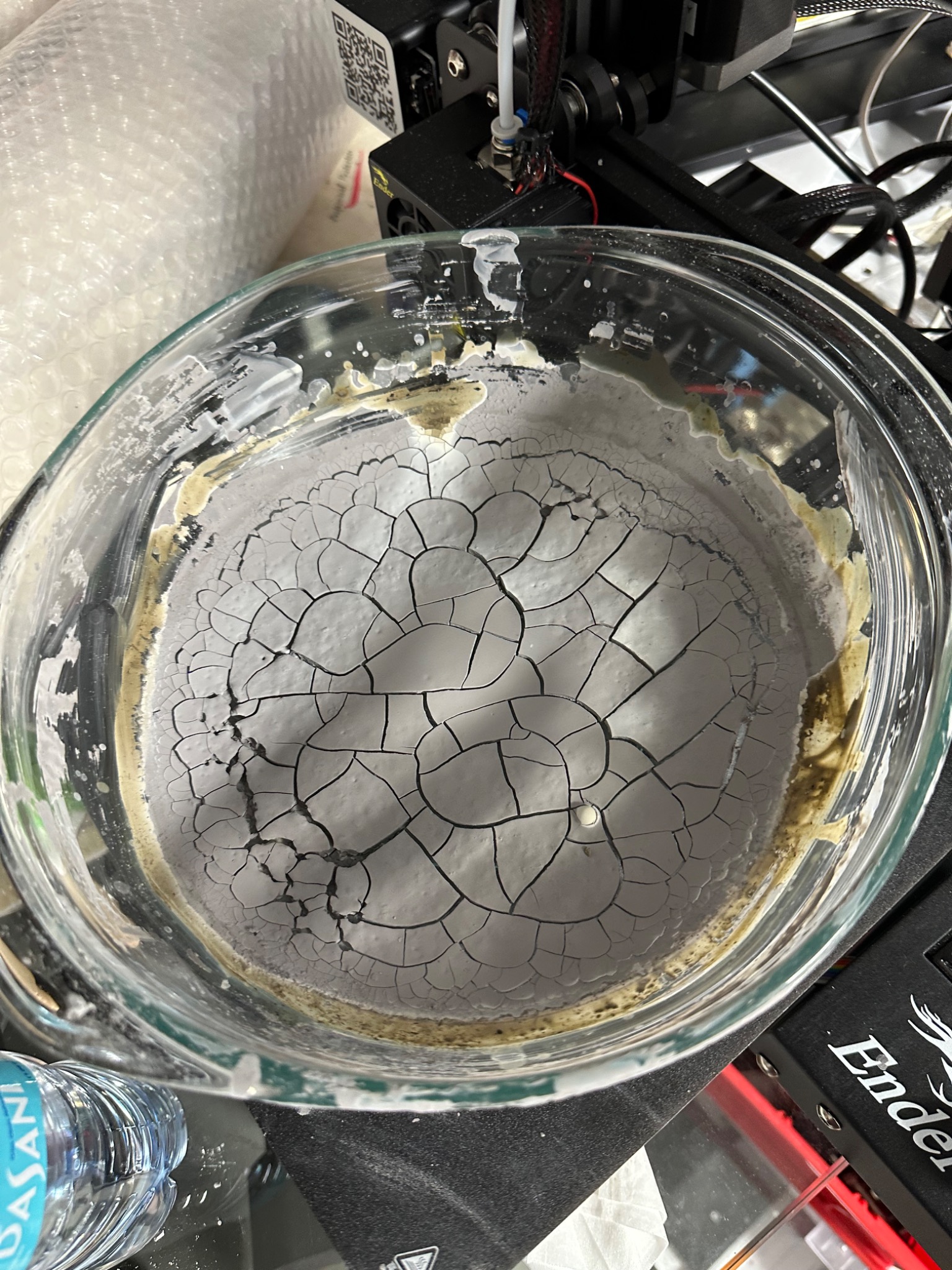
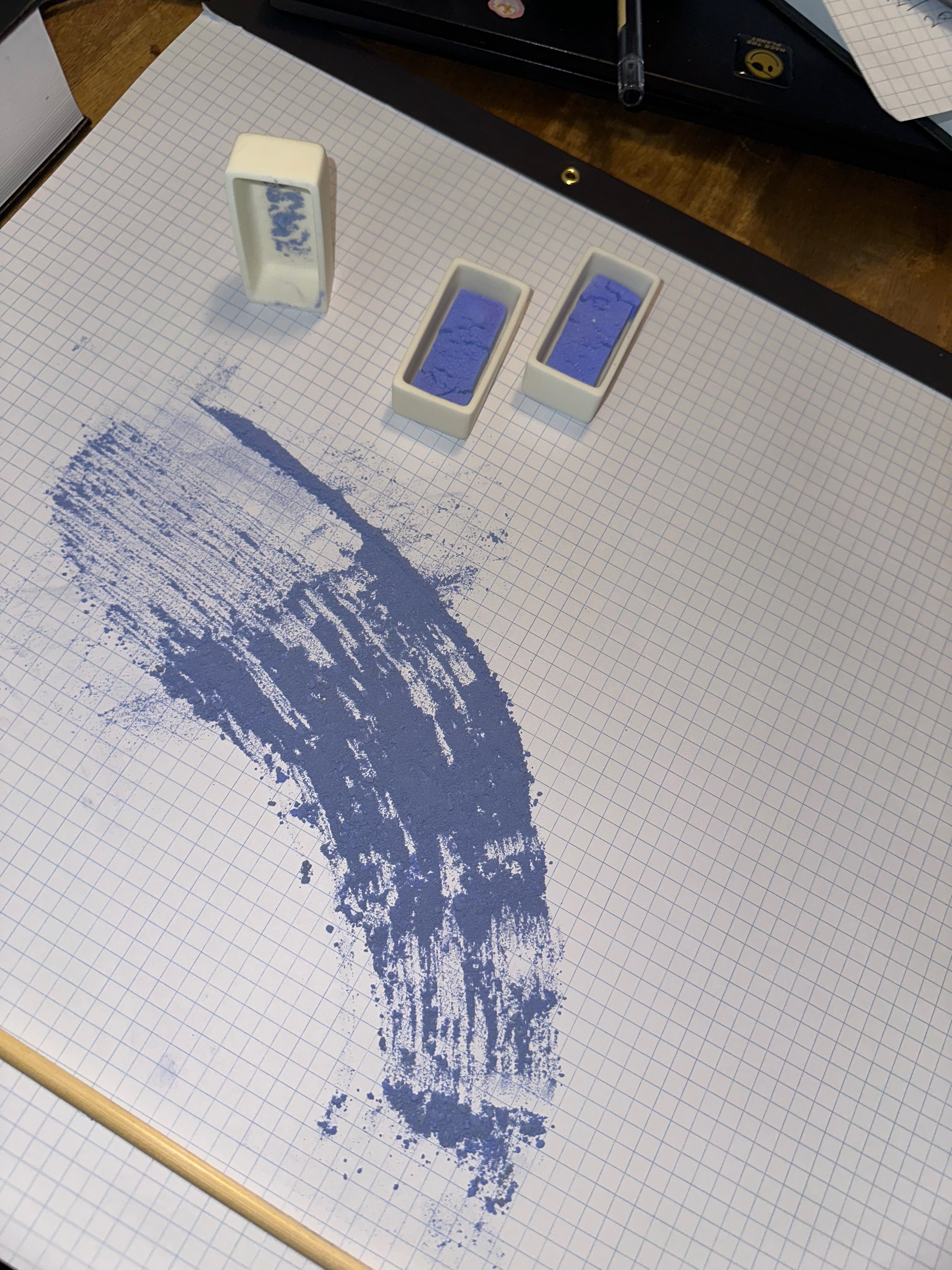
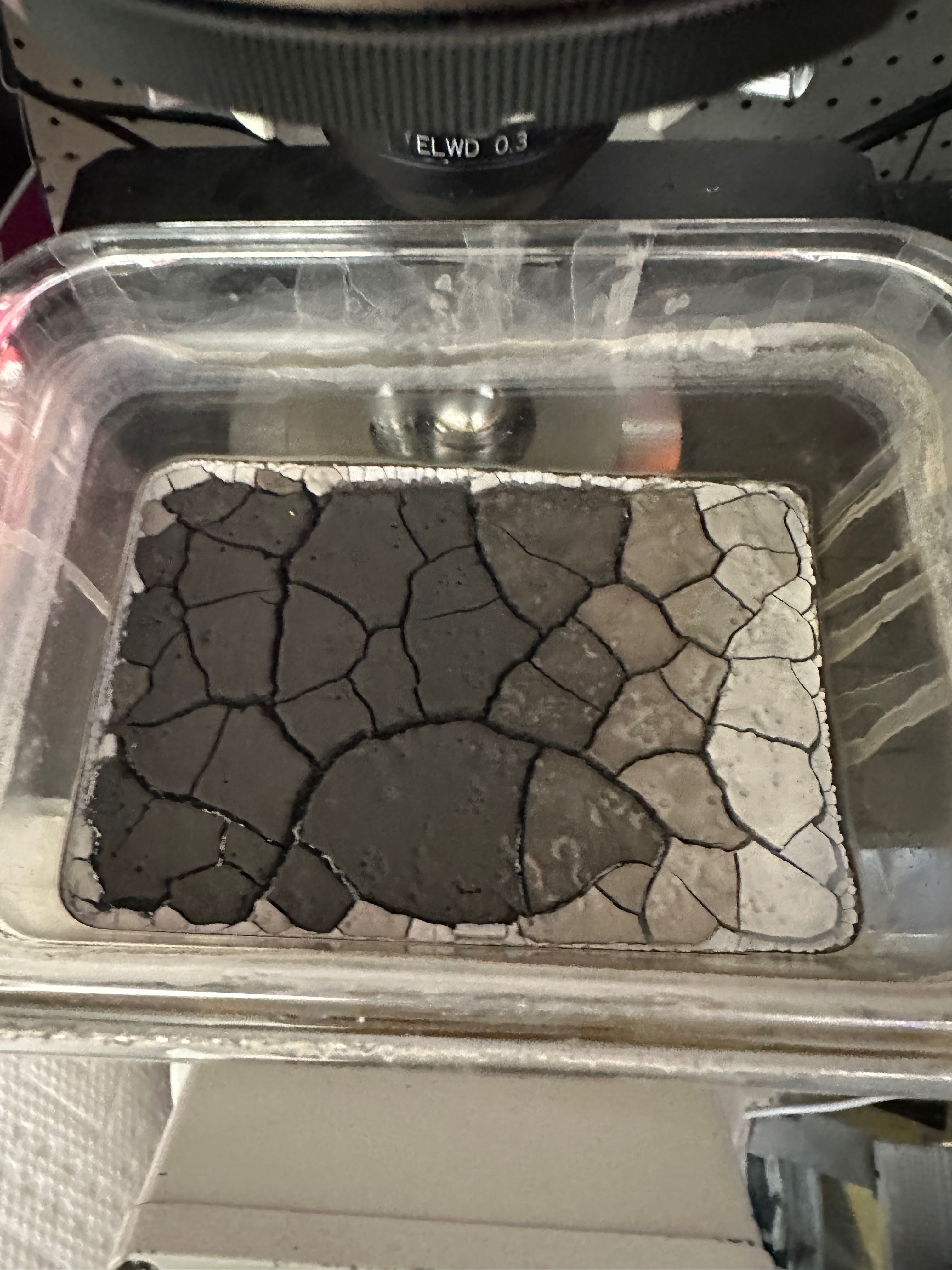
han blue han blue han blue han blue han blue han blue han blue

han blue

BaCuSi₄O₁₀ – pigment

shipping batch bsop2
Color Index Abbreviationref
None
CI Generic Nameref
None
CI Constitution No.ref
None
Categoryref
Blue
Opacity Classref
Opaque to semi-opaque
ASTM/ISO Refsref
ASTM D4303, ASTM D5383
Lightfastnessref
I (Excellent)
Oil Absorptionref
25–30 g/100g

background

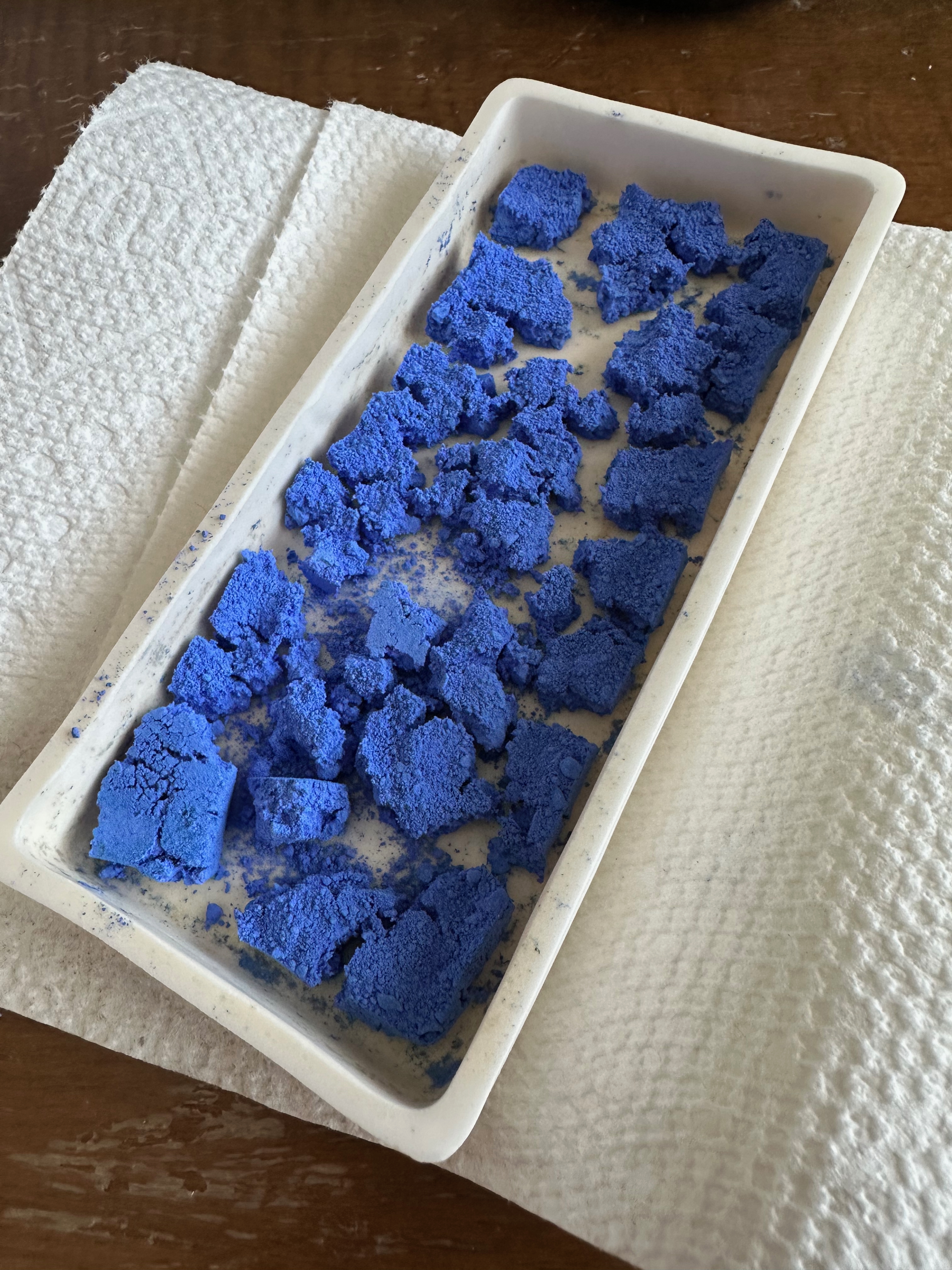
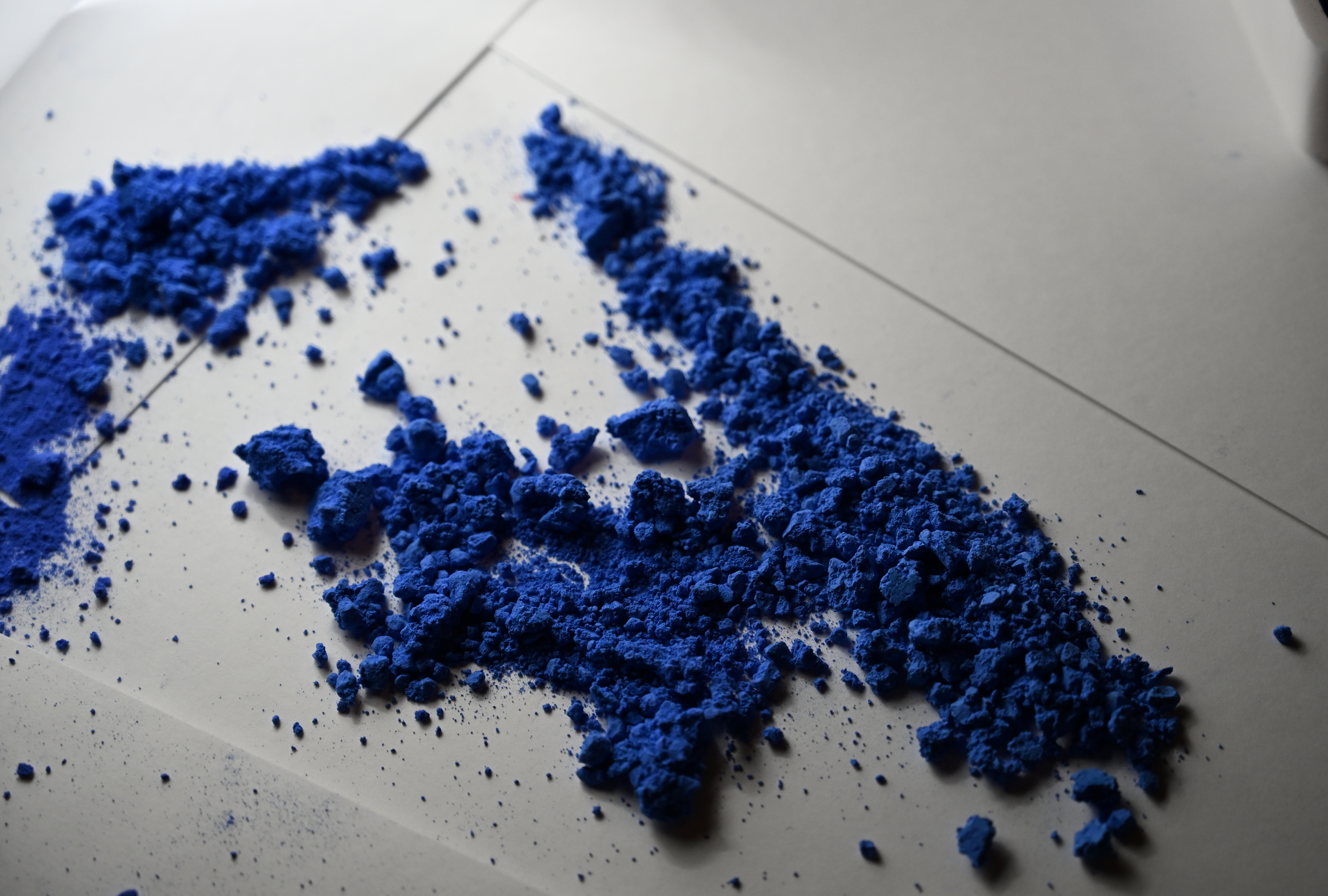
Han Blue is a synthetic inorganic pigment defined by its crystal structure rather than its provenance. It is a barium copper silicate with a layered Si₄O₁₀ framework, producing a deep blue color that arises from crystal-field splitting of square-planar Cu²⁺ centers embedded in a rigid silicate lattice. The pigment is chemically and photochemically stable, with color determined by lattice-scale electronic structure rather than molecular chromophores.

At the level of solid-state behavior, Han Blue exhibits strongly anisotropic properties associated with its layered architecture. Experimental studies report negative thermal expansion within the silicate planes over a wide temperature range, low thermal conductivity dominated by phonon scattering, and subtle structural phase transitions at low temperature that reduce crystallographic symmetry without disrupting the lattice. Optical studies further show that its blue color cannot be fully explained by isolated CuO₄ units alone, but depends critically on long-range internal electric fields generated by the crystal as a whole, which shift electronic transitions by hundreds of millielectronvolts relative to simpler copper oxides or silicates.

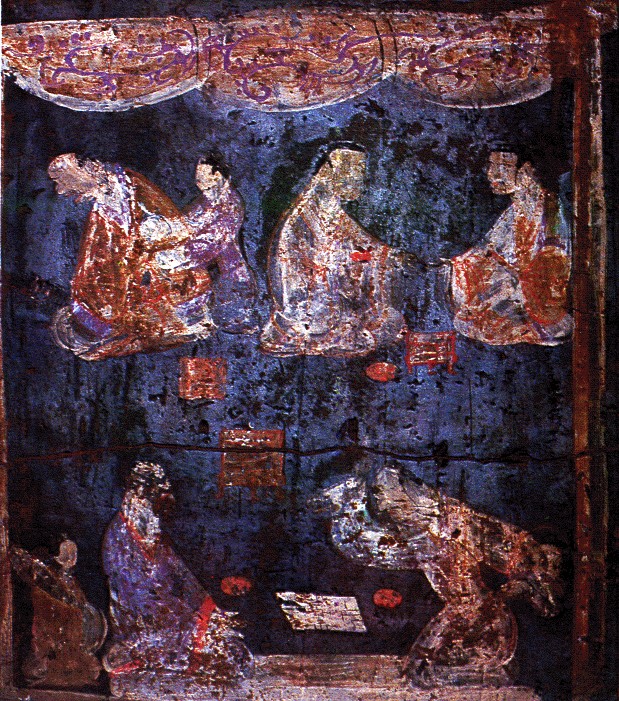
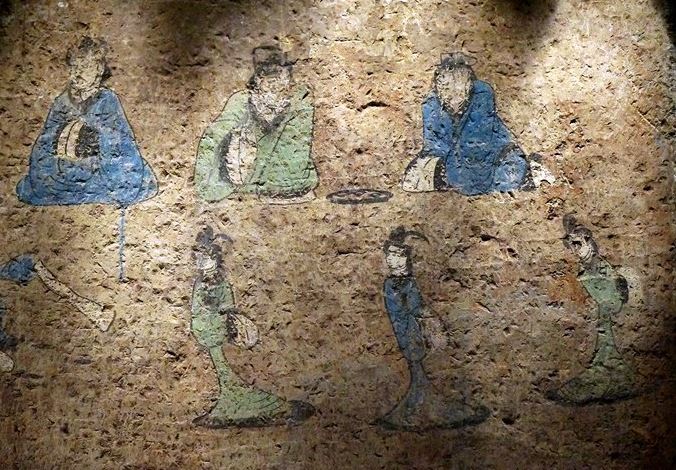
Historically, Han Blue was synthesized in China during the late Zhou and Han periods using high-temperature kiln processes and mineral precursors, representing one of the earliest known examples of deliberate pigment synthesis. It was produced alongside related copper silicate pigments, including Han Purple, and used extensively in polychrome architectural elements, ceramics, and funerary sculpture. Its rediscovery in modern analytical work reflects continuity in material performance rather than a revival of lost technique.

safety

GHS Classificationref
Not classified as hazardous under CLP/GHS per analog SDS
Hazardsref
Inhalation (primary): respirable dust; mechanical eye/skin irritation; avoid ingestion
Recommended PPEref
N95 minimum; P100 for milling/transfers; nitrile gloves; safety glasses; lab coat
Exposure Notesref
Wet methods preferred; avoid dry sweeping; wash hands after handling; no eating/drinking in work area
Storageref
Sealed container, cool/dry; segregate from strong acids/bases; secondary containment recommended
Disposalref
Dispose as inorganic pigment waste per local regulations; do not drain; bag contaminated wipes/filters

ec data (coming soon)

The following measurements are pending elemental color laboratory analysis:

  • GHS Classification
  • Hazards
  • Recommended PPE
  • Exposure Notes
  • Storage
  • Disposal
  • Chemical Formula
  • Crystal Structure
  • Particle Size
  • Refractive Index
  • Specific Gravity
  • Phase / Identity
  • Family
  • Synthesis Class
  • Hue Bias
  • Opacity
  • Scattering Regime
  • NIR Response
  • Fluorescence
  • Oil Absorption
  • Binder Compatibility
  • Chemical Stability

chemical

Chemical Formularef
BaCuSi₄O₁₀
Crystal Structureref
Tetragonal
Particle Sizeref
5–15 µm
Refractive Indexref
1.636
Specific Gravityref
3.8
Phase / Identityref
BaCuSi₄O₁₀
Familyref
Barium copper silicate
Synthesis Classref
Solid-state

optical

Hue Biasref
Cool blue with slight violet bias
Opacityref
High
Scattering Regimeref
Mie-dominant
NIR Responseref
NIR luminescence (~900 nm)
Fluorescenceref
Weak UV-A fluorescence (variable)

physical

Oil Absorptionref
25–30 g oil / 100 g pigment
Binder Compatibilityref
Compatible with common binders (oil, acrylic, gum arabic, egg tempera, casein); lime-safe
Chemical Stabilityref
High thermal and photochemical stability under normal artist use; decomposes at extreme high temperature
references

literature

spatially resolved characterisation of Egyptian blue, Han blue and Han purple by photo-induced luminescence digital imaging (2009) 10.1007/s00216-009-2693-0 The photo-induced luminescence properties of Egyptian blue, Han blue and Han purple were investigated by means of near-infrared digital imag…
The photo-induced luminescence properties of Egyptian blue, Han blue and Han purple were investigated by means of near-infrared digital imaging. These pigments emit infrared radiation when excited in the visible range. The emission can be recorded by means of a modified commercial digital camera equipped with suitable glass filters. A variety of visible light sources were investigated to test their ability to excite luminescence in the pigments. Light-emitting diodes, which do not emit stray infrared radiation, proved an excellent source for the excitation of luminescence in all three compounds.
Preliminary investigations into the use of the ancient pigments Han blue and Han purple as luminescent dusting powders for the detection of latent fingermarks (2024) 10.1016/j.forsciint.2024.112172 Here we present our preliminary studies into the inorganic pigments Han blue (BaCuSi4O10) and Han purple (BaCuSi2O6) as near-infrared lumine…
Here we present our preliminary studies into the inorganic pigments Han blue (BaCuSi4O10) and Han purple (BaCuSi2O6) as near-infrared luminescent fingerprint dusting powders. These pigments were developed in ancient China around 800 BCE and both show luminescence in the NIR region. There remains, however, ambiguity in the literature concerning their photophysical properties. Samples of Han blue and Han purple artist’s pigments were characterized by optical microscopy, infrared, ultraviolet-visible absorbance and luminescence spectroscopy. Their performance as fingerprint dusting powders, without any further treatment, on non-porous surfaces were compared to exfoliated lipophilic coated Egyptian blue and commercial fluorescent powders in a pilot study. These results demonstrate for the first time that both ancient pigments show promise as alternative dusting powders for latent fingermarks.
Exfoliation of Egyptian Blue and Han Blue, Two Alkali Earth Copper Silicate-based Pigments (2014) 10.3791/51686 In a visualized example of the ancient past connecting with modern times, we describe the preparation and exfoliation of CaCuSi4O10 and BaCu…
In a visualized example of the ancient past connecting with modern times, we describe the preparation and exfoliation of CaCuSi4O10 and BaCuSi4O10, the colored components of the historic Egyptian blue and Han blue pigments. The bulk forms of these materials are synthesized by both melt flux and solid-state routes, which provide some control over the crystallite size of the product. The melt flux process is time intensive, but it produces relatively large crystals at lower reaction temperatures. In comparison, the solid-state method is quicker yet requires higher reaction temperatures and yields smaller crystallites. Upon stirring in hot water, CaCuSi4O10 spontaneously exfoliates into monolayer nanosheets, which are characterized by TEM and PXRD. BaCuSi4O10 on the other hand requires ultrasonication in organic solvents to achieve exfoliation. Near infrared imaging illustrates that both the bulk and nanosheet forms of CaCuSi4O10 and BaCuSi4O10 are strong near infrared emitters. Aqueous CaCuSi4O10 and BaCuSi4O10 nanosheet dispersions are useful because they provide a new way to handle, characterize, and process these materials in colloidal form.
A Northern Connection: Spread of Faience, Glass and Han Blue Into the Chengdu Plain During the Warring States Period (2025) 0.1111/arcm.70083 Eighteen fragments of glass and vitreous materials from the Warring States period Feihu cemetery, Chengdu Plain, were analysed by LA-ICP-MS,…
Eighteen fragments of glass and vitreous materials from the Warring States period Feihu cemetery, Chengdu Plain, were analysed by LA-ICP-MS, SEM-EDS and XRD. The assemblage comprises potassium-silica-lime faience and glass, low-calcium soda-lead-barium faience and glass, and Han blue.
Heat capacity, thermal expansion and heat transport in the Han Blue (BaCuSi4O10): Observation of structural phase transitions (2015) 0.1016/j.jpcs.2015.04.021 Structural phase transitions at 87K and 103K are reported for single-crystalline Han Blue (BaCuSi4O10) by means of high-resolution thermal-e…
Structural phase transitions at 87K and 103K are reported for single-crystalline Han Blue (BaCuSi4O10) by means of high-resolution thermal-expansion, thermal conductivity and heat capacity measurements. The phase transition at 103K results in differing lengths of the a and b lattice parameters, and thus a lowering of the crystallographic symmetry. Negative thermal-expansion coefficients are observed perpendicular to the c-axis over a wide temperature range (108K<T<350K). The thermal conductivity is small, and decreases with temperature, both of which suggest strong scattering of heat-carrying phonons. The principle Grüneisen parameter within the plane and perpendicular to it was determined to be γ1=−1.09 and γ3=1.06 at room temperature; the bulk Grüneisen parameter is γ=0.10. The results are consistent with the presence of low-energy vibrations associated with the collective motions of CuO4 and Si4O10 polyhedral subunits.
Origin of the Anomalous Color of Egyptian and Han Blue Historical Pigments: Going beyond the Complex Approximation in Ligand Field Theory (2016) 0.1021/acs.jchemed.5b00288 The complex approximation is widely used in the framework of the Ligand Field Theory for explaining the optical properties of crystalline c…
The complex approximation is widely used in the framework of the Ligand Field Theory for explaining the optical properties of crystalline coordination compounds. Here, we show that there are essential features of these systems that cannot be understood with the usual approximation that only considers an isolated complex at the correct equilibrium geometry. We also show that a quantitative understanding of such optical transitions cannot, in general, be reached unless the internal electric field, E R(r), created by the whole crystal on active electrons confined in the complex, is also taken into consideration. Seeking to prove the key role played by this internal field, usually ignored in crystalline transition metal compounds, we focus on the origin of the color displayed by the Egyptian Blue pigment (CaCuSi4O10), the first ever synthesized by humans. This pigment, together with Han Blue (BaCuSi4O10), are chosen as model systems because the anisotropic E R(r) field produces huge shifts, up to ∼0.9 eV, in their d–d transitions, which are unusual compared to the majority of compounds containing the same square-planar CuO4 6– chromophore. The relevance of the internal field for explaining phenomena such as the distinct color of ruby and emerald or the optical spectrum of CuF6 4– complexes in layered perovskites is also emphasized.